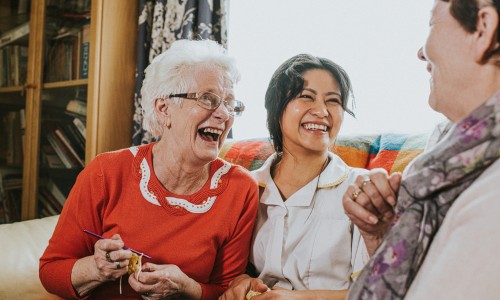
Care Homes vs. At-Home Care: Navigating the Best Option for Your Loved Ones
Choosing the appropriate care for a loved one is among our most challenging decisions; both care homes and at-home care offer unique solutions, but understanding their nuances is paramount to making an informed choice.
What is a Care Home?
A care home is a purpose-built residential facility where individuals, often elderly, receive personal and medical care. These homes vary in types and services:
- Residential Homes: These are for individuals who require assistance with daily tasks but don’t need intensive medical care. They offer a communal environment where residents can socialise and participate in scheduled activities.
- Nursing Homes: Designed for those needing regular medical attention, nursing homes have trained medical staff available round the clock.
- Specialised Dementia Care Homes: Dedicated to individuals with Alzheimer’s or other forms of dementia, these homes provide tailored care in a safe and understanding environment.
Benefits of Care Homes
- Structured Environment: Care homes operate on a structured routine, ensuring that residents receive timely meals, medication, and engage in regular activities.
- Social Interaction: The communal nature of care homes allows residents to engage with peers, participate in group activities, and attend special events.
- All-inclusive Care: From medical attention to personal care, recreational activities to meals, everything is catered for within the care home’s walls, removing the need to coordinate various services.
- Safety and Security: With 24/7 staffing, emergency systems, and secure facilities, families often find peace of mind knowing their loved ones are continuously monitored and safe.
Cons of Care Homes
- Loss of Independence: While care homes aim to promote autonomy, their structured nature might only sometimes cater to individual preferences, making some residents feel restricted.
- Cost: The all-inclusive nature, especially in premium facilities, can be financially burdensome over time. They’re more expensive than at-home care.
- Potential for Isolation: While ample opportunities for socialisation exist, not all residents adjust well or feel part of the community. Some may miss their familiar community and home environment.
- Change in Living Environment: The emotional challenge of leaving one’s home, filled with memories, can be significant. The transition phase often requires time, patience, and emotional support.
What is At-Home Care?
At-home care, often preferred due to its personalised approach, ensures loved ones receive assistance right in their homes. The service varies:
- Domiciliary Care: Involves caregivers making periodic visits to assist with specific tasks – be it bathing, cooking, or medication administration.
- Live-in Care: Here, the caregiver resides with the individual, providing constant support, companionship, and immediate assistance when needed.
Benefits of At-Home Care
- Maintained Independence: One of the primary advantages is that individuals maintain their daily routines, ensuring a sense of autonomy and self-worth.
- Personalised Care: At-home care is inherently tailored. Care plans are designed considering each individual’s unique needs, preferences, and routines.
- Comfort of Familiarity: Staying in a familiar environment, surrounded by personal belongings, memories, and even pets, can have a profound positive impact on mental well-being.
- Flexibility: Unlike the fixed schedules of care homes, at-home care allows for flexibility. As the individual’s needs change, so can the care plan and timings. Family can visit as they please without constraint.
Cons of At-Home Care
- Safety Concerns: Some homes may require modifications, like railings or ramps, to ensure they’re safe for the elderly or those with mobility issues.
- Varied Care Quality: While most caregivers are dedicated professionals, the quality of care might vary between agencies. (Always research the agency before you choose).
Comparing the Two: A Quick Glance
While care homes offer a structured environment with all-inclusive services, at-home care stands out for its personalised, flexible, and emotionally comforting approach. Given the emphasis on individual preferences, comfort, and the overarching desire for independence, at-home care often emerges as a preferred choice for many.
Transition Process and Adaptability
Both care options come with their respective transition processes. Moving into a care home involves:
- Physical relocation.
- Adapting to a new environment.
- Potentially dealing with the emotional challenges of leaving one’s home.
It can be a significant adjustment, and some individuals might resist this change.
On the other hand, introducing at-home care is typically less disruptive. It involves integrating a caregiver into an existing routine, ensuring minimal upheaval in the individual’s life. This familiarity often translates to a smoother, more accepted transition.
Caregiver and Staff Qualifications
Regardless of the setting, ensuring caregivers are qualified, trained, and compassionate is essential.
Care homes typically employ various staff, from medical professionals to activity coordinators, all of whom have specific qualifications.
Background checks and rigorous training are standard.
Similarly, at-home caregivers, whether from agencies or independent, should have the requisite training.
Additionally, the more personalised nature of at-home care often allows for a deeper, more understanding relationship between the caregiver and the individual, fostering trust and mutual respect.
Comparing the Two
When we juxtapose care homes and at-home care, several distinct differences emerge. Let’s delve into the main contrasts:
Environment and Familiarity: Care homes, though designed to be as homely as possible, can never replicate the genuine comfort of one’s own home.
At-home care allows loved ones to remain in their cherished environment, surrounded by personal mementos and memories. This familiarity can play a pivotal role in mental well-being.
Personalisation vs. Structure: Care homes tend to have a more controlled structure, which might not cater to everyone’s whims and preferences.
On the contrary, at-home care is inherently personalised. Whether it’s meal preferences, the timing of activities, or even the choice of a bedtime, the flexibility of at-home care is unparalleled.
Social Interaction: While care homes offer opportunities for socialisation, they also carry the risk of potential isolation if a resident doesn’t mesh well with the communal setting.
With at-home care, while the setting is naturally more private, there’s always the potential to have visitors, friends, or engage in community activities at one’s own pace.
Cost Implications: Both options can be expensive. However, at-home care offers more flexibility. Depending on the level of care required, it can sometimes be more economical.
Plus, there’s potential for family members to be more involved, reducing the hours of professional care needed.
Transition Challenges: Moving into a care home can be a significant upheaval, emotionally and physically.
Adapting to a new environment, residents, and routine can be daunting. With at-home care, this transition challenge is dramatically reduced. The comfort of familiarity and minimal disruption often make at-home care a gentler option for many.
Legal and Ethical Considerations
Ethical care is rooted in respect, autonomy, and understanding. While care homes operate with a set of standardised protocols, at-home care allows for a more intimate understanding of an individual’s wishes and rights.
Conversations about care preferences, end-of-life wishes, or daily routines are often more in-depth and personal.
This one-on-one dynamic fosters a more profound respect for the individual’s autonomy and a clearer understanding of their desires, ensuring that the care provided is adequate and genuinely aligned with their wishes.
Expert Opinions and Recommendations
The healthcare community is a reservoir of knowledge and insights.
Many geriatric and rehabilitation professionals frequently highlight the advantages of at-home care.
The consistent themes are:
- The personalised approach.
- Adaptability to evolving health needs.
- The undeniable emotional benefits stemming from being in a familiar environment.
In weighing the two side by side, it becomes evident that while care homes serve a necessary purpose and can be a fitting choice for specific individuals, at-home care, with its emphasis on personal comfort, flexibility, and the essence of ‘home’, often stands out as the more compassionate and tailored approach for many elderly individuals and their families.
FAQs (Frequently Asked Questions)
Q1: Which care option is more affordable in the long run?
Answer: This largely depends on individual circumstances. However, with transparent pricing and potential government schemes supporting at-home care, it can often be the more economical choice in the long run.
Q2: How do I determine the best choice for my loved one?
Answer: Consider their medical needs, personal preferences, the level of independence they desire, and financial implications. It’s often beneficial to consult with a care advisor.
Q3: Can care plans be switched between at-home care and care homes?
Answer: Yes, care plans are adaptable. One can transition between care settings based on evolving needs and preferences.
Q4: How can I assess the quality of a care home or at-home care service?
Answer: Look for reviews, testimonials, any accreditations, and always visit or engage with the service provider directly to get a firsthand impression.
Q5: Are there any governmental aids or grants available for either of these care options?
Answer: Yes, especially in regions like Dorset and Hampshire, there are specific support schemes available, particularly for at-home care.
Want a two week trial? Check it out here.